There are no rules on who gets to define taste, but there are patterns in who we listen to.
Taste used to come from a handful of editors and gallery owners. Now it comes from an algorithm, and most of us can’t tell where our own opinion ends and the feed begins. So we went back to people. We asked 20 artists, gallerists, chefs, designers, a Grammy-winning producer and a former Vogue fashion director the same questions about what taste is, where it comes from, and who gets to decide what’s good.
They did not agree. One calls her taste “magpie maximalist.” Another says minimalism is overrated. Someone else would never sell a painting that took 400 hours to make. This is taste, unfiltered.
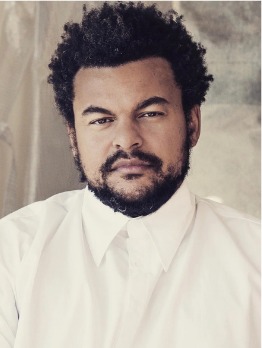
Grammy-winning British producer behind hits for Eminem, Rihanna and Imagine Dragons, and founder of 66 Greene, a concept store in SoHo.
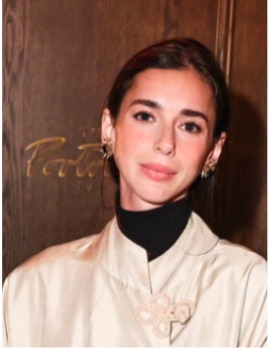
New York-based stylist and founder of Found by The, a concept store for the rare and the quietly beautiful.
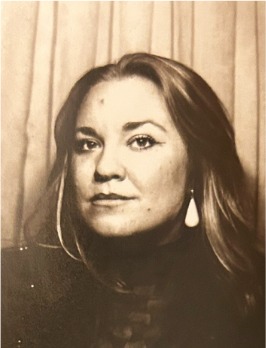
Leads the Art Collection at Soho House, curating new spaces across the Americas.
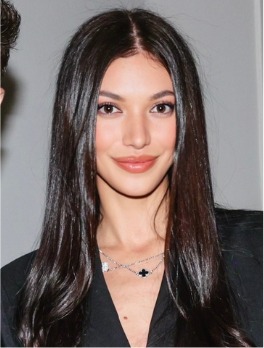
New York-based cultural strategist and Director of Special Projects and Global Market Expansion at Basic.Space.
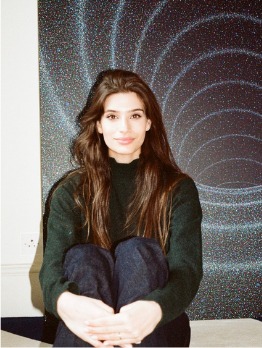
London-based artist building hand-painted compositions from thousands of dots.
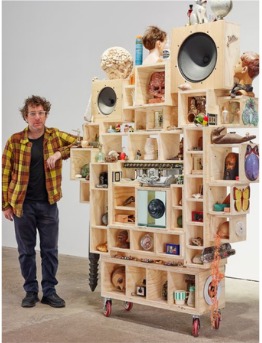
New York-based artist who suspends entire universes inside layered glass sculptures, and founder of Pioneer Works.
Read the interview →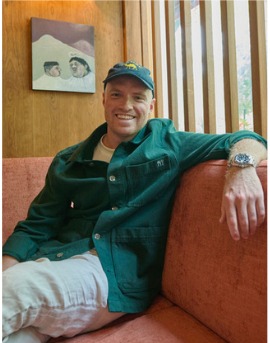
Chef and founder of Comal, the Mexico City-inspired restaurant in New York.
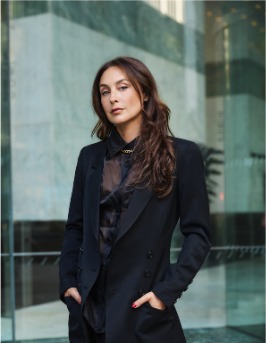
New York-born artist liaison and arts partnerships strategist, and founder of Etcetera Etcetera.
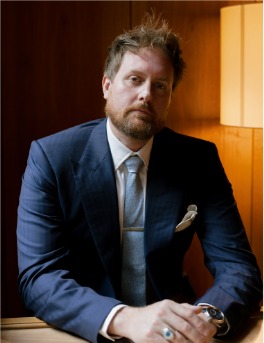
Former opera singer and partner at Upper East Side restaurant Chez Fifi, opening his first solo hospitality venture in Brooklyn.
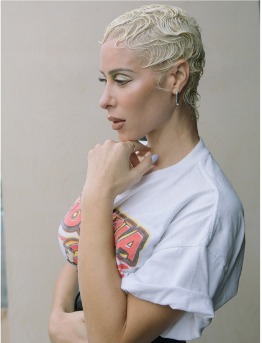
Sculptor and installation artist working in found metal and paint skin.
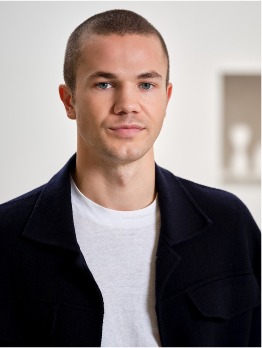
Founder of Kevin Kramer Gallery in New York, after a decade at Bortolami, David Zwirner and Gladstone Gallery.
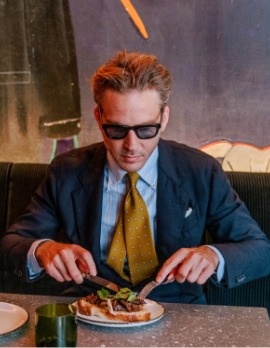
Founder and owner of Ella Funt, the East Village neo-bistro.
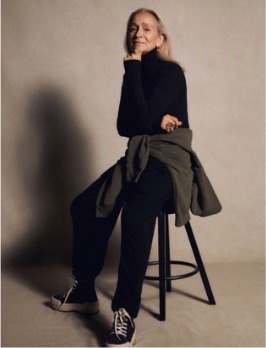
Co-founder of Collagerie and former Fashion Director of British Vogue.
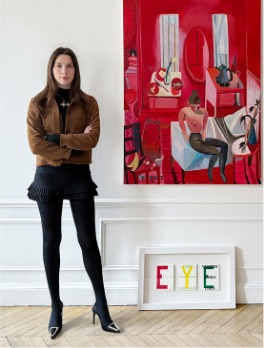
Senior Associate and Head of Design at Perrotin Gallery, between New York and Paris.
Read the interview →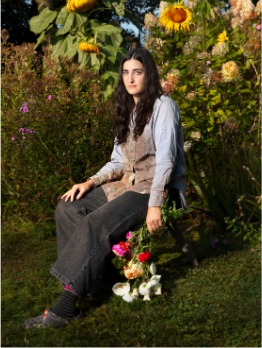
American painter based in South Hadley, Massachusetts, represented by Perrotin.
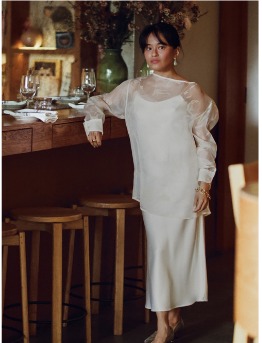
Creative director, cultural storyteller and founder of Studio OL.
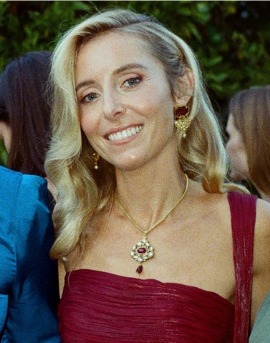
Director at Pace Gallery in New York and Fellow at the New Museum.
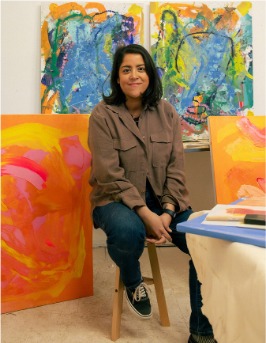
Portland-based artist and SVP of Global Relations at BFA.
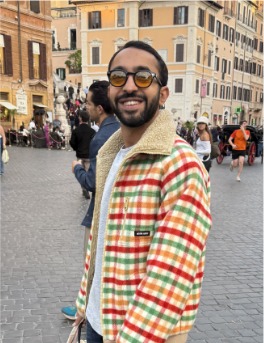
Co-founder of Blank Street, the brand that redefined how a generation drinks coffee and matcha.
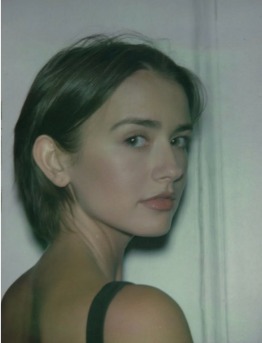
New York-based designer launching her ready-to-wear womenswear brand, made in NYC.
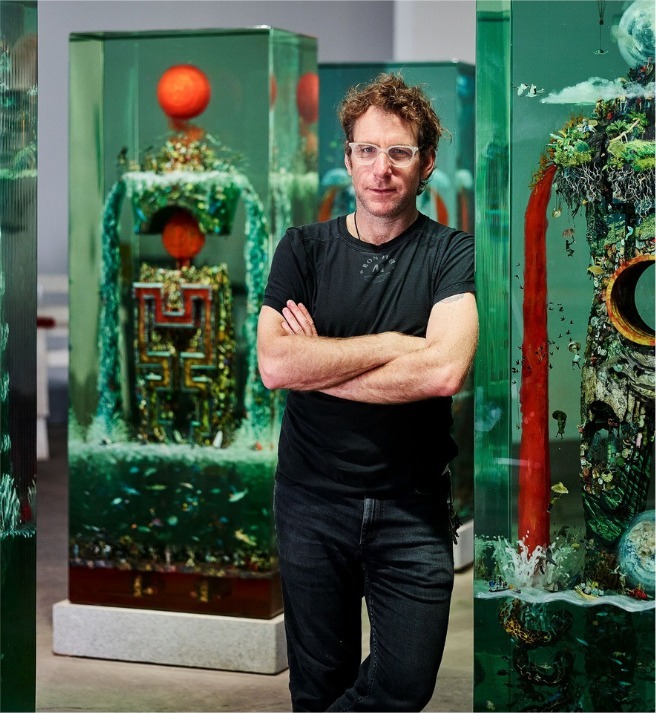
A ferry to Red Hook, a lobster roll, and the artist who built Pioneer Works from scratch.
“The past and the future are inside.”Read the interview →
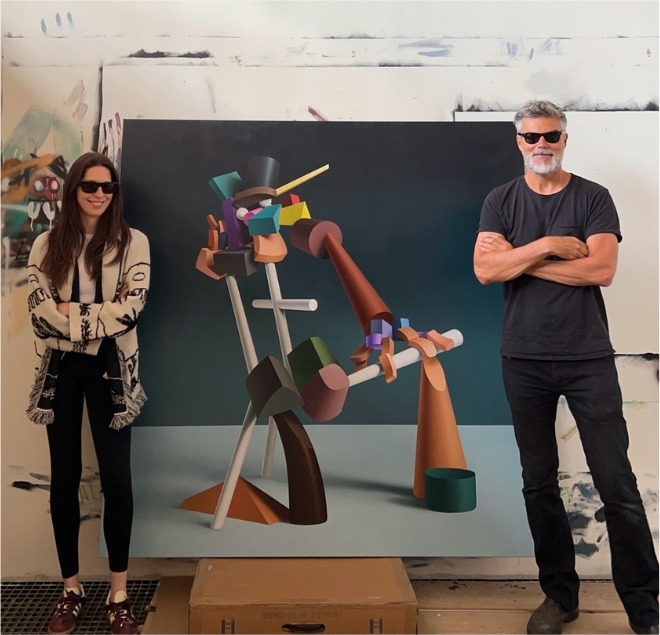
The art advisor who reads a room, and why she cuts friends who aren’t on her team.
“Something feels luxurious not because it is expensive, but because it has thoughtful details and there is an emotion to it.”Read the interview →
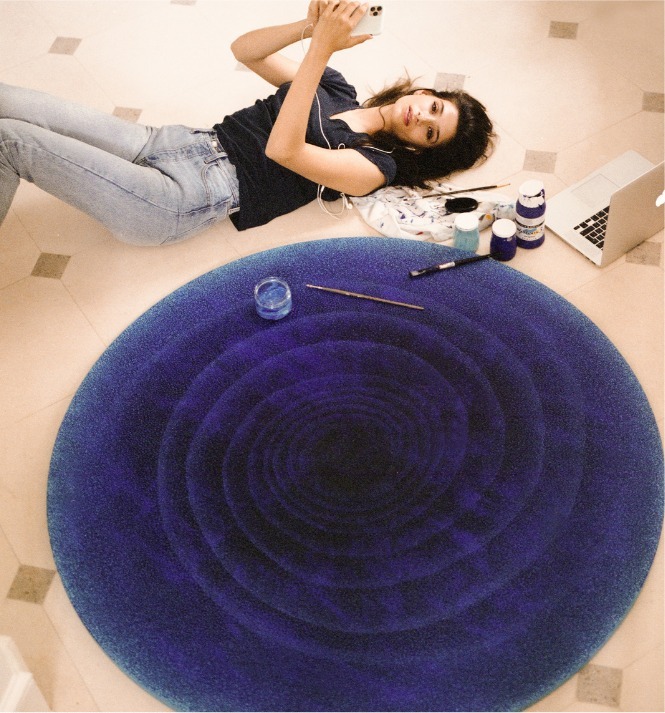
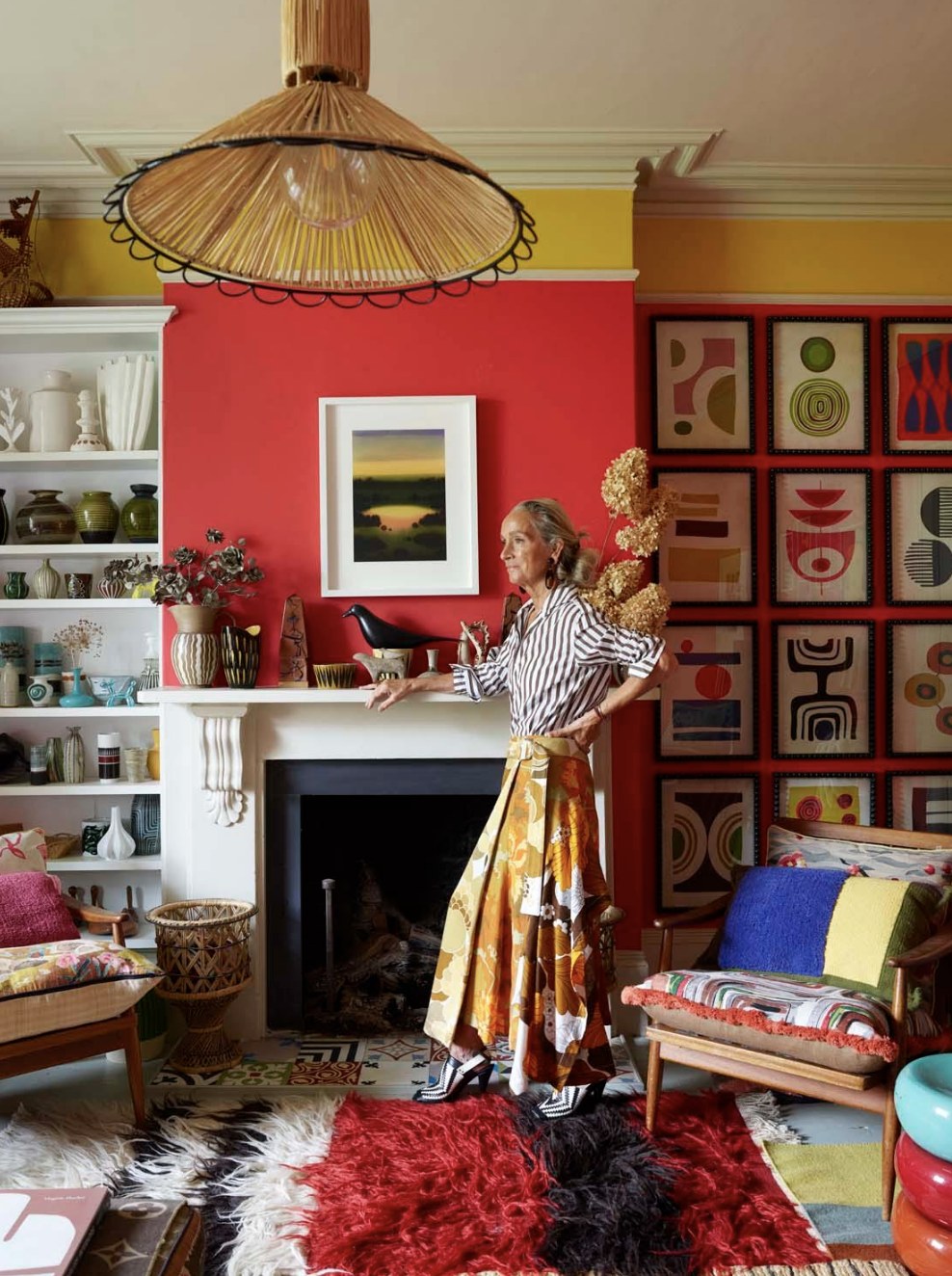
Lucinda Chambers: Magpie maximalist.
Kennedy Yanko: A conversation between the past, the present, and something just ahead of us.
Stephanie Ketty: Evolving. I respond to work that feels settled, like the person who made it knew when to stop.
Vinay Menda: I like strong color and things that feel alive.
Cairo Dwek: Calm and minimal. From a distance my paintings feel restrained, but up close they’re composed of thousands of small, vibrant marks.
Alex Da Kid: My tastes always start with music and blossom from there. The best representation of this is the 66 Greene Spotify Playlist I work on every week.
Amah Modek: I have always needed a sense of serenity in what surrounds me, that’s the Libra in me.
Lounes Mazouz: Eccentric, colorful, and chic. I like when things feel slightly off and unexpected. That is where personality lives.
“People who are brave enough to fight for their ideas, no matter how ridiculous they seem to the outside world.” Alex Da Kid
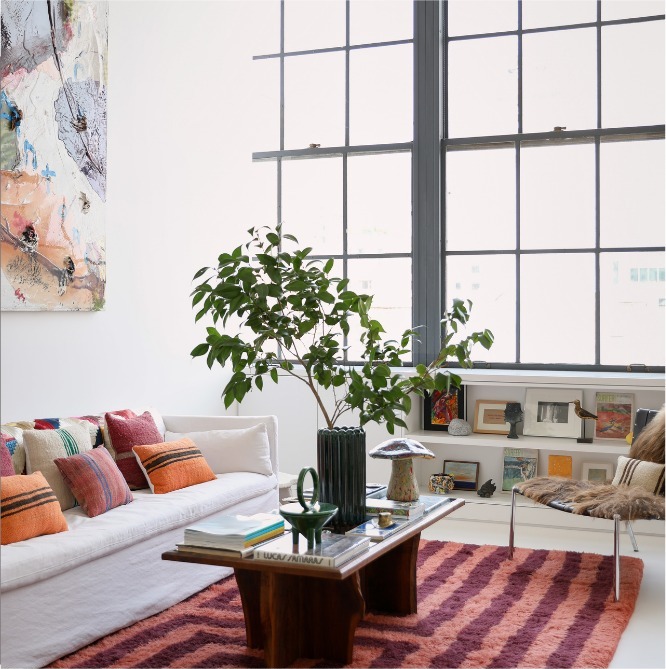
Nikki Maloof: It’s innate. You’re naturally drawn to certain things before you even understand why.
Yana Matkivski: My Ukrainian culture and my background in rhythmic gymnastics and ballet.
Bailey Jane: Elizabeth Taylor for fashion, and my father for art and design, both drawn to timeless, enduring work.
Vinay Menda: Indian culture. I grew up around color, festivals like Holi, where you literally throw color at each other, and Diwali. I think people are often unnecessarily scared of wearing color.
Lucinda Chambers: Nature. The patterns, colors, and sheer exuberance of the natural world.
Lounes Mazouz: Moving to London at 14. The city embraces excess in a way that feels creative rather than forced.
Simone Shields: Taste can come from any source. We noticed a 12″ tall rubber band ball on a friend’s counter and ecstatically developed our own, this daily meditative ritual born from the detritus of everyday life encapsulates an essential truth of taste.
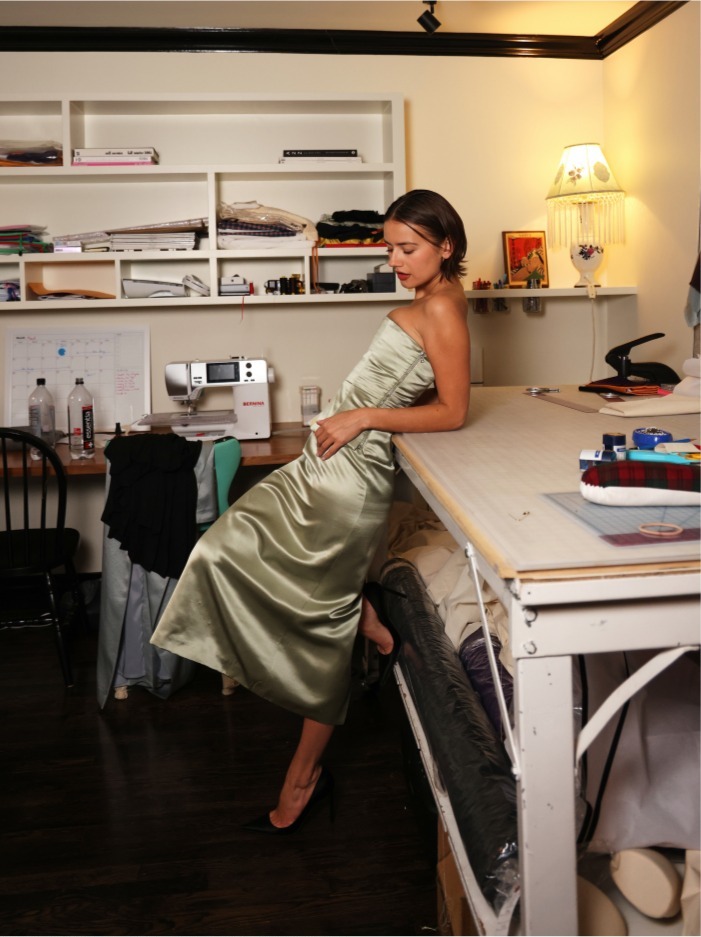
Stephanie Ketty: Good taste, to me, is less about impressing people and more about making them feel at ease. Knowing what to leave out.
Bailey Jane: My grandmother and my father. Be comfortable so your personality can lead. Make eye contact. Less is more.
Lounes Mazouz: My father. He taught me that taste isn’t about perfection but about understanding how elements interact.
Kevin Kramer: My mother and older sister. Traveling has also been incredibly important. Having references beyond your immediate surroundings is essential.
Anakena Paddon: I grew up all over the world with a French mother with an eye for aesthetics. I was primed from an early age.
Yana Matkivski: My mom and New York City.
Gaz Herbert: My mother. She has really remarkable taste.
Olivia Lopez: Good taste is highly subjective, but I believe it’s cultivated through life journeys and perspectives.
Simone Shields: My mother. Her interests are vast, Colonial Spanish silver stirrups, Verdura jewelry, Indian textiles, unique coral and lichen specimens.
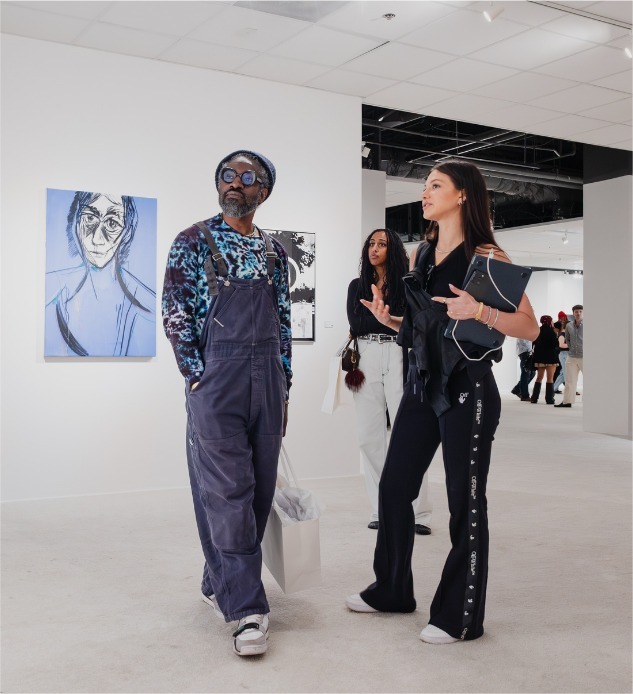
Simone Shields: It’s hard to overstate the impact of Emily Bode on our cultural zeitgeist.
Jessica Hodin: FKA Twigs. She has absolutely committed herself, mind and body, to her practice and to her own brand of culture.
Olivia Lopez: Dasha Zhukova. I’m really inspired by women who shape culture, build institutions, and create spaces where ideas can live.
Lounes Mazouz: I have always admired André Balazs. In hospitality he created cultural hubs rather than just venues. Spaces with identity, energy, and longevity.
Bailey Jane: No one. I’m not looking around or hyper-online. I keep my distance from the noise so my point of view stays my own.
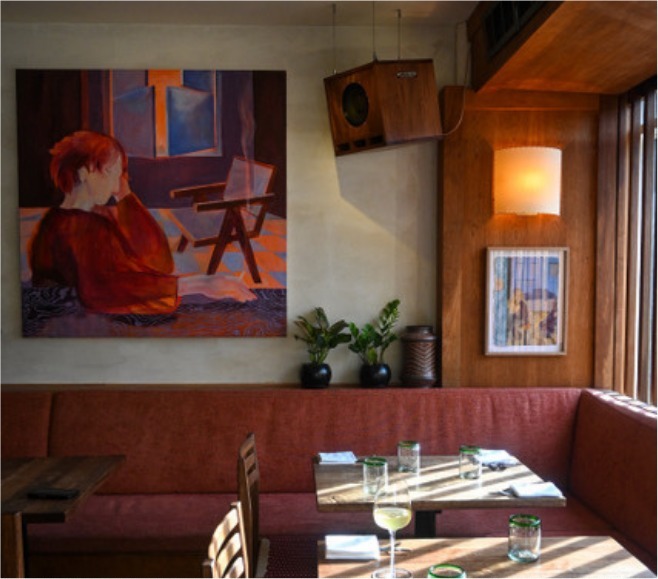
Stephanie Ketty: Ambition. Trying to make something excellent is often dismissed as uncool.
Anakena Paddon: I am somewhat obsessed with sending mail. I send them in batches of upwards of 100, which is really closer to a sickness than a hobby.
Lucinda Chambers: Disco balls. Love them, always have.
Lounes Mazouz: Eccentricity. Pushing things a bit too far. There’s often more truth in that than in anything polished.
Olivia Lopez: Minimalism. It’s a way of living that goes beyond a clean aesthetic.
Justin Wand: Pop music. Creating a song that billions of people latch onto is incredibly difficult, and it is almost impossible to understand why it happens.
“My high-heeled crocs” Jessica Hodin
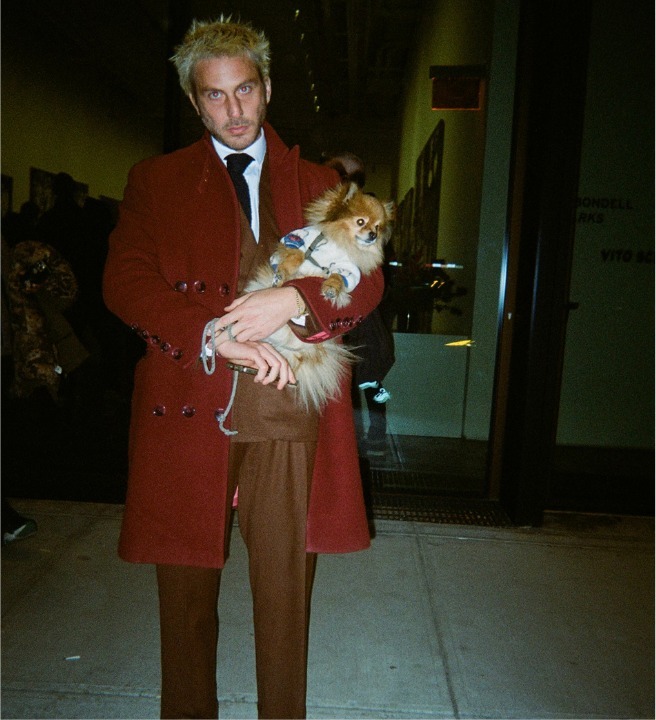
Gaz Herbert: I used to really buy into things like Aimé Leon Dore and this idea that you can buy individuality. That brand was recently bought by LVMH and is now a commodity. That sort of takes away the idea of individuality.
Lucinda Chambers: I don’t think I’ve ever tried to impress people. I was very lucky at Vogue to have held the job of Fashion Director for so long and I think part of that was to be reassuringly normal.
Olivia Lopez: Whether or not what I collect is trendy or timely.
Bailey Jane: My humor is niche, some people might think it’s a bit fried. Just remember, you clicked on my face.
Stephanie Ketty: Always having a point of view. Listening has become more interesting.
Lounes Mazouz: Status, labels, and anything that signals value in an obvious way.
Yana Matkivski: Overnight success.
Kennedy Yanko: Time feels underrated. The time it takes to make something meaningful, to develop a point of view, to let work evolve. There’s so much urgency right now, but depth still requires patience.
Stephanie Ketty: Overrated: constant newness. Underrated: depth and continuity.
Olivia Lopez: Streetwear. Call me a Luddite but I’m drawn to craft-driven processes.
Yana Matkivski: Underrated: slow honest growth over striving for viral moments.
Gaz Herbert: Overrated: this warehouse-y minimalism of retail spaces, exposed ductwork, poured concrete floors, everything just looks exactly the same.
Bailey Jane: Overrated: celebrities being handed creative director titles by fashion houses. I can’t.
Vinay Menda: Minimalism is overrated. Personality is underrated.
Lucinda Chambers: Underrated: doing courses and learning something. I recently went on a dry stone walling course.
Lounes Mazouz: Underrated: curated decadence, when maximalism is precise and expressive.
Kennedy Yanko: Playing Robots Into Heaven by James Blake.
Stephanie Ketty: A Benjamin Ewing sculpture, anything by Cocteau Twins, and “Put yourself where your strengths can produce results.” from HBR’s 10 Must Reads on Managing Yourself.
Olivia Lopez: A French period film called The Taste of Things. A visually arresting and immersive ASMR movie with gorgeous cinematography.
Gaz Herbert: I recently went to the Beacon Theater for this band called Tedeschi Trucks Band. It showed the difference between listening to something on Spotify and listening live.
Bailey Jane: Sargent’s Madame X (1884). Seeing it in person made it hit differently. She basically said f*** it, we ball and you can still feel that energy in the painting.
Kevin Kramer: I currently have Faye Wong’s 1994 Cantonese cover of Dreams on repeat. I don’t speak Cantonese but her cover always makes me feel something.
Jessica Hodin: The play Art with Bobby Cannavale, James Corden, and Neil Patrick Harris. I left thinking about the clashing of egos and ideals, the politics of saving face within friendships. I laughed, I cried, I can’t forget it.
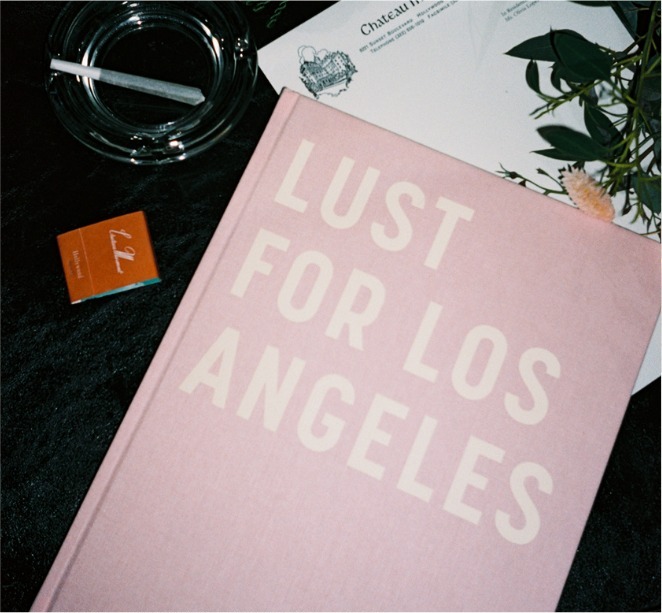
Lucinda Chambers: The album Barricades, the track is Les Barricades Mystérieuses, French rock and roll from the 18th century, absolutely bonkers and brilliant. Play it at top volume.
Bailey Jane: Jean-Marc. I’m not typically into house/EDM, but his unreleased music is super nostalgic. You can tell he’s genuinely passionate.
Olivia Lopez: A ’90s band called St Germain who composes sound that blends jazz and deep house.
Amah Modek: Esant, a ready-to-wear brand from Mexico. Their pieces feel both elemental and refined, a kind of quiet femininity that feels incredibly powerful.
Jessica Hodin: The Brooklyn-based Stephanie Temma Hier. She combines painting with intricate ceramics, playful yet sophisticated, exploring the relationship between humans and their environments.
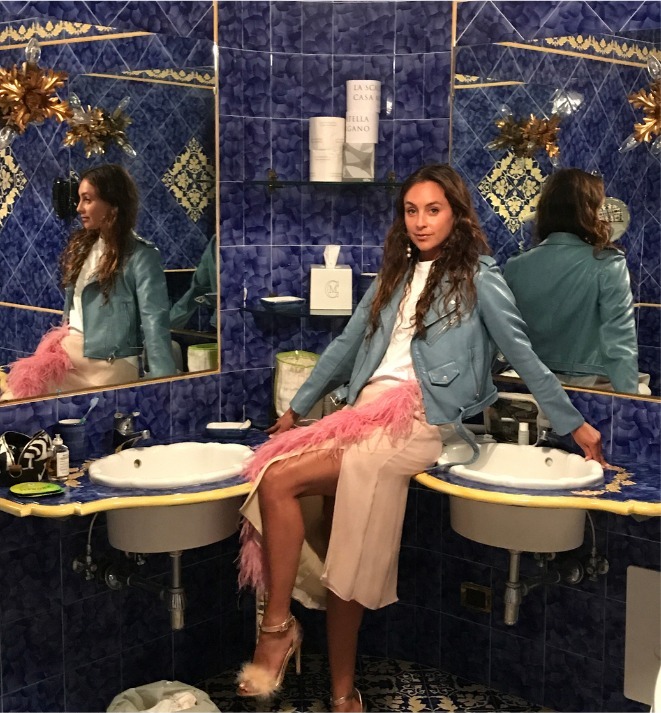
Olivia Lopez: Step away from the algorithm and go outside, live life and explore. Tap into our natural intelligence: conversations, experiences, travel, films, music, museums, and gardens.
Lounes Mazouz: Go thrift. Experiment. Try things that do not immediately make sense. Taste is built through mistakes, not certainty.
Cairo Dwek: Taste is instinctual, you feel it before you can explain it.
Vinay Menda: Start with what you believe in before you start reacting to everyone else.
Lucinda Chambers: Don’t worry about “stealing ideas,” as Bowie once said, nothing is original, it’s knowing where to steal from. Collect ideas, let things percolate and don’t be in a rush.
Stephanie Ketty: Pay attention to what you return to repeatedly. Patterns reveal more than trends do.
Amah Modek: Quiet the noise and learn to recognize what truly resonates.
Justin Wand: Seek out the real thing, even if you have to save up for it. The first time I sat at an omakase, a single piece of ōtoro with warm rice and fresh wasabi changed everything. Taste is built one revelation at a time.

Cairo Dwek: Spoken Veil, a 244 × 162 cm painting I spent 400 hours on. It felt less like making a painting and more like being inside it. It was the most challenging project I’ve taken on, but also the most formative. It fundamentally shifted my confidence, both technically and conceptually. Since then, I’ve approached new works with a much greater sense of ambition.
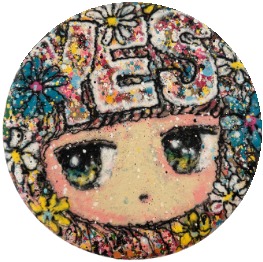
Bailey Jane: A tondo by Stickymonger titled Yes. She gave it to me for my birthday before we opened her exhibition and wrote on the back that I’m a “yes” girl. It’s not for sale, ever.
Yes by Stickymonger.
Vinay Menda: A Takashi Murakami flower work I keep behind me when I work from home. I see it smiling at me on Zoom calls every day. It genuinely changes how I feel when I’m working, so I’d never sell it.
Yana Matkivski: A black cat painting by Alex Foxton. It was the first art piece I ever purchased, so it’s part of the story. Also, I love black cats and all the drama behind them.
Kevin Kramer: A painting by Olivia van Kuiken because of the sentimental value, but also it’s such a good work I never want to stop looking at it.
Kennedy Yanko: Sink Belly by Kiah Celeste. She has a kind of intelligence and mastery of minimalist sensibility with excellent material execution and playful experimentation.
Bailey Jane: Blue-chip galleries, a.k.a. money. And no, I don’t agree. “Good art” is in the eye of the buyer. People forget that collectors have taste too, and the money to back it up.
Stephanie Ketty: There isn’t one authority. Different audiences respond to different things.
Vinay Menda: I don’t think the art world has rules about what’s good art. The idea that there’s a single authority on that doesn’t make sense to me.
Kennedy Yanko: I think artists decide, but not in a singular way. Good isn’t fixed. It shifts depending on context, intention, and sensitivity. There are multiple frameworks for value, and the most interesting work often resists easy agreement.
Anakena Paddon: The longer I work in the “Art World”, the more resistant I am to these voices being the exclusive, de facto purveyors of “good art”. The last few years of curating new spaces for Soho House have been a steady, joyful reminder that people make art everywhere and people make “good art” everywhere. “Good art” reveals itself to you the more you invest time in looking, learning and getting to know real working artists.
Twenty people gave us almost no agreement, except on one thing. Nine of them said their taste started with a parent or grandparent: a mother walking her daughter through exhibitions, a father explaining how things fit together, a grandmother saying less is more. Taste starts at home, and you finish it by going outside.
So, how would you define yours? Reply to our newsletter and tell us. We read every one.